


- 1. Introduction
- 2. What is Global Warming?
- 3. Causes of Global Warming
- 4. Consequences of Global Warming
- – Rising Temperatures
- – Melting Ice Caps
- – Sea Level Rise
- – Extreme Weather Events
- – Ocean Acidification
- 5. The Paris Agreement and Sustainable Development
- 6. Impacts on Wildlife and Ecosystems
- 7. Public Awareness and Education on Climate Change
- 8. Adaptation Strategies to Mitigate Global Warming
- 9. Conclusion
- 10. FAQs
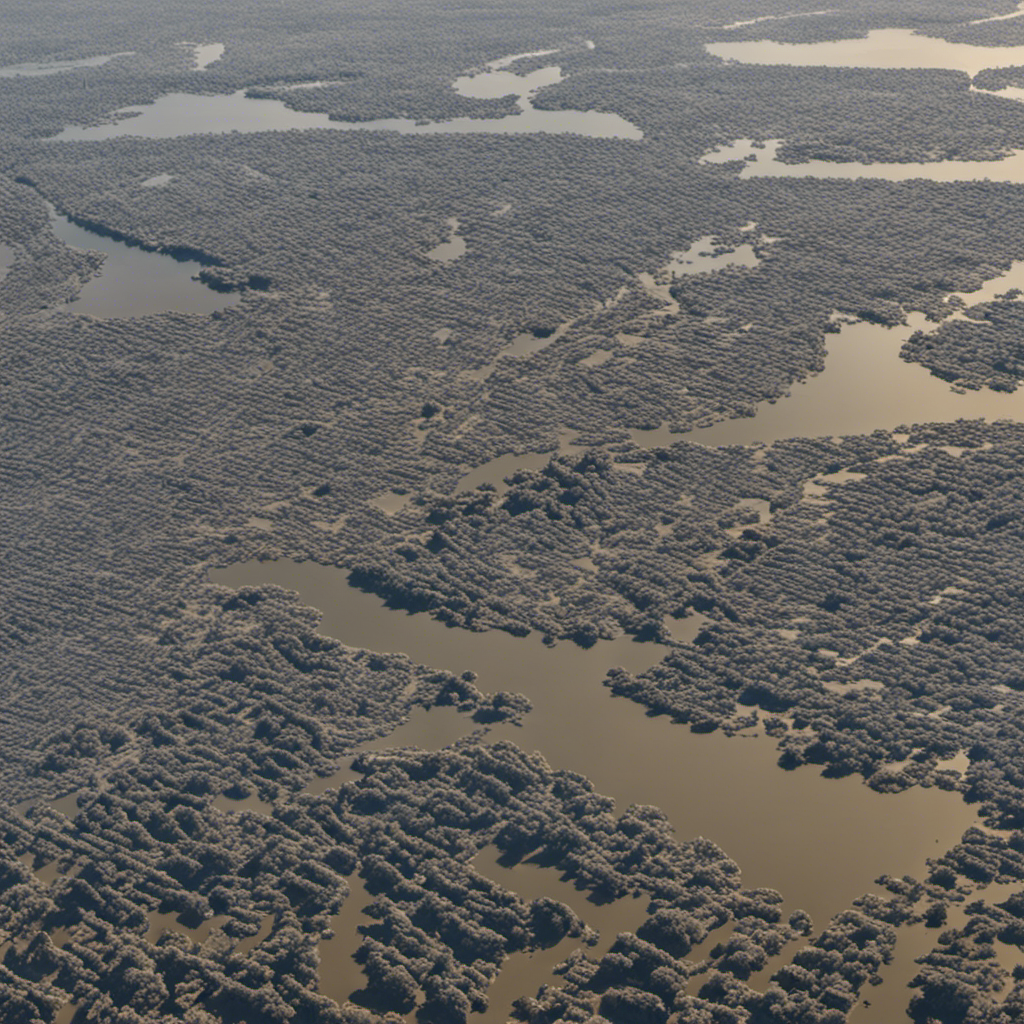
1. Introduction
In recent years, the topic of global warming has gained significant attention due to its detrimental impact on the environment and human well-being. This article aims to provide a comprehensive understanding of global warming, its causes, consequences, and the actions being taken to address this urgent issue.
2. What is Global Warming?
Global warming refers to the long-term increase in Earth’s average surface temperature due to the buildup of greenhouse gases in the atmosphere. These gases, such as carbon dioxide, methane, and nitrous oxide, trap heat and prevent it from escaping into space, causing the planet to heat up.

3. Causes of Global Warming
– Greenhouse Gases
Greenhouse gases play a crucial role in regulating Earth’s temperature by trapping heat and maintaining a stable climate. However, human activities, particularly the burning of fossil fuels for energy, have significantly increased the concentration of greenhouse gases in the atmosphere, leading to excessive heat retention and global warming.
– Carbon Footprint
A carbon footprint measures the amount of carbon dioxide and other greenhouse gases released into the atmosphere as a result of human activities, such as transportation, energy production, and industrial processes. By reducing our carbon footprint, we can minimize the impact of global warming on the planet.

– Fossil Fuel Emissions
The burning of fossil fuels, including coal, oil, and natural gas, releases large amounts of carbon dioxide into the atmosphere. These emissions contribute significantly to global warming and climate change. Transitioning to renewable energy sources is crucial to reduce reliance on fossil fuels and mitigate their harmful effects.
– Deforestation and Global Warming
Deforestation, the clearing of forests for various purposes, not only diminishes wildlife habitats but also contributes to global warming. Trees absorb carbon dioxide and release oxygen through photosynthesis. With fewer trees, there is a higher concentration of carbon dioxide in the atmosphere, exacerbating the greenhouse effect.

4. Consequences of Global Warming
– Rising Temperatures
Global warming leads to a rapid increase in average global temperatures. This rise in temperature has a cascading effect on the environment and various socio-economic systems. Heatwaves, droughts, and heat-related illnesses become more prevalent, posing serious threats to human health and agriculture.
– Melting Ice Caps
As temperatures rise, ice caps and glaciers around the world are melting at an alarming rate. This contributes to sea-level rise and threatens coastal communities. It also disrupts ecosystems and accelerates the loss of polar habitats for animals such as polar bears and penguins.
– Sea Level Rise
Rising temperatures cause ice melt and thermal expansion of seawater, leading to sea-level rise. This phenomenon poses a significant risk to low-lying coastal areas, increasing the vulnerability of communities to flooding and storm surges. It also endangers coastal infrastructures and ecosystems.
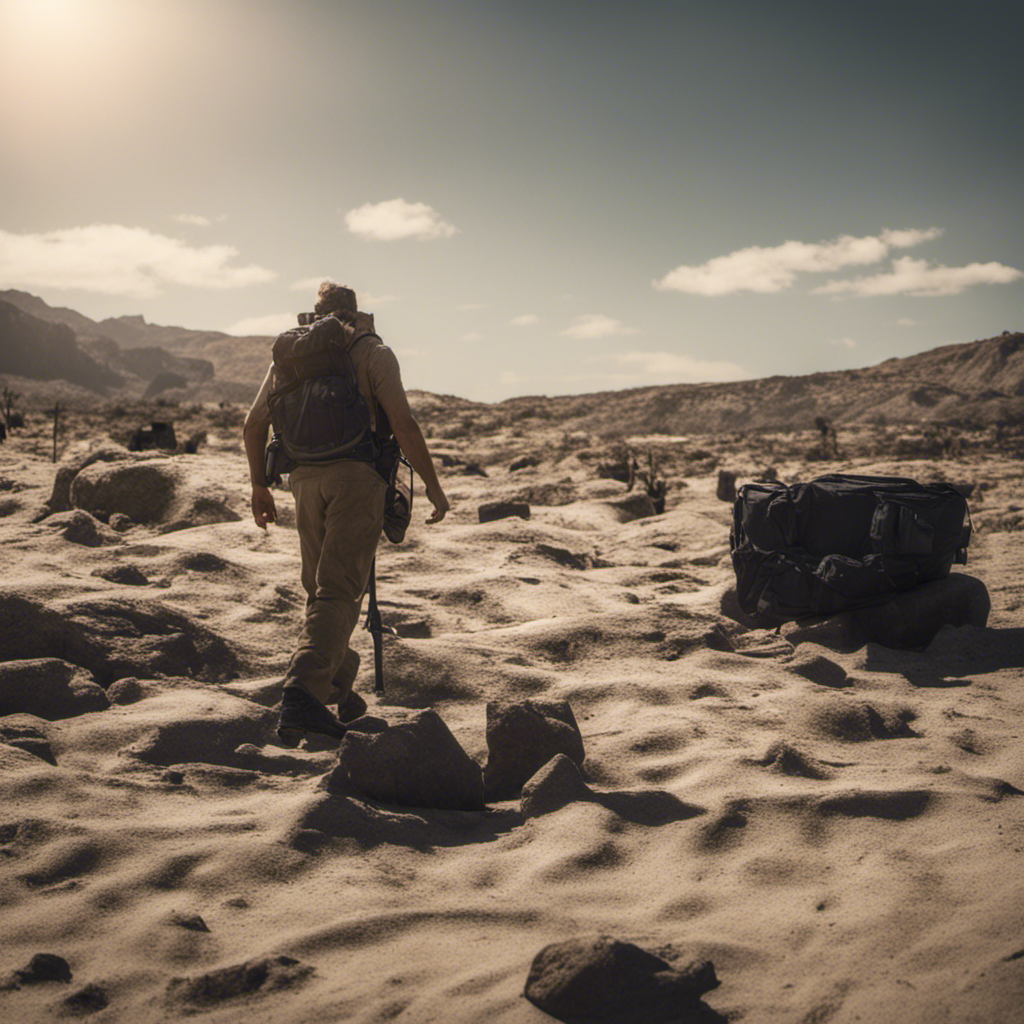
– Extreme Weather Events
Global warming intensifies extreme weather events such as hurricanes, cyclones, and heavy rainfall. These events result in widespread destruction, loss of lives, and displacement of communities. The frequency and severity of these events are expected to increase as global warming continues.
– Ocean Acidification
Increased absorption of carbon dioxide by the oceans leads to ocean acidification. This chemical imbalance negatively impacts marine life, particularly corals, shellfish, and other organisms with calcium carbonate shells or skeletons, threatening entire ecosystems and disrupting the oceanic food chain.
5. The Paris Agreement and Sustainable Development
In response to the urgent need to combat global warming, world leaders signed the Paris Agreement in 2015. This international accord aims to limit global temperature increase to well below 2 degrees Celsius above pre-industrial levels and pursue efforts to limit the temperature increase to 1.5 degrees Celsius. The agreement emphasizes sustainable development practices, renewable energy sources, and financial support for developing countries to adapt and mitigate the effects of climate change.
6. Impacts on Wildlife and Ecosystems
Global warming has severe implications for wildlife and ecosystems. Rising temperatures and habitat loss disrupt ecological balance, leading to species extinction, migrations, and changes in behavior and breeding patterns. Protecting biodiversity and preserving habitats are crucial for maintaining a healthy and resilient natural environment.
7. Public Awareness and Education on Climate Change
Creating public awareness and educating individuals about climate change is essential for taking collective action. Governments, non-profit organizations, and educational institutions are actively involved in raising awareness about the causes, consequences, and solutions to global warming. By educating the public, we can foster a sense of responsibility and encourage sustainable lifestyle choices.
8. Adaptation Strategies to Mitigate Global Warming
Adapting to the effects of global warming is crucial for minimizing its impact. Strategies include implementing sustainable agricultural practices, investing in renewable energy sources, improving water management, and developing resilient infrastructure. It is essential to foster innovation and collaboration in finding effective solutions.

9. Conclusion
Global warming poses a significant threat to our planet and requires urgent action. By understanding the causes, consequences, and potential mitigation strategies, we can work towards a more sustainable future. It is crucial for individuals, communities, governments, and industries to come together and take collective responsibility for combating global warming and preserving the environment for future generations.
10. FAQs
1. What is the main cause of global warming?
– The main cause of global warming is the excessive release of greenhouse gases, primarily carbon dioxide, from human activities such as burning fossil fuels and deforestation.
2. How does global warming affect weather patterns?
– Global warming contributes to the intensification of extreme weather events, including hurricanes, droughts, and heatwaves. It disrupts weather patterns and can lead to increased precipitation and more frequent and severe storms.
3. How can I reduce my carbon footprint?
– You can reduce your carbon footprint by choosing sustainable transportation options, conserving energy at home, recycling and minimizing waste, and supporting renewable energy sources.
4. What is the role of renewable energy in mitigating global warming?
– Renewable energy sources, such as solar, wind, and hydropower, produce minimal greenhouse gas emissions and help reduce dependence on fossil fuels. They play a crucial role in mitigating global warming by providing clean and sustainable energy alternatives.
5. What can individuals do to contribute to sustainable development?
– Individuals can contribute to sustainable development by adopting eco-friendly practices such as conserving water and energy, promoting recycling, supporting local and sustainable products, and advocating for environmentally responsible policies.
We are a group of volunteers and starting a new scheme in our community. Your web site provided us with helpful information to paintings on. You have done an impressive activity and our entire group shall be thankful to you.